Stablecoins in Everyday Transactions
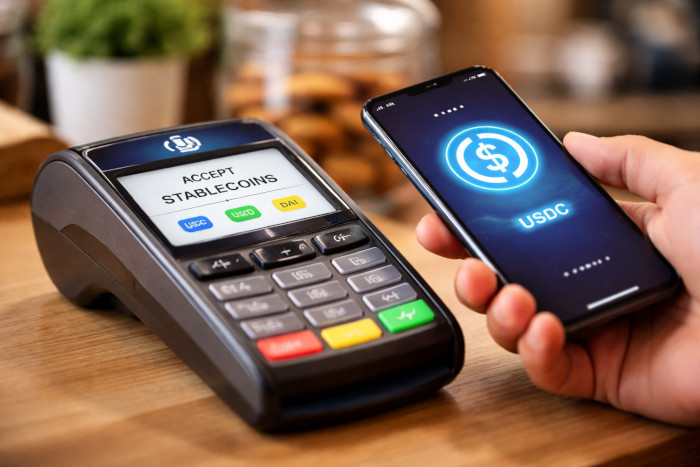
Stablecoins are increasingly being used for everyday payments, moving beyond their original role in crypto trading and speculation. Designed to function like digital cash, stablecoins maintain a stable value while operating on blockchain networks. This makes them suitable for routine consumer and business transactions where price stability is essential.
What Stablecoins Mean in Everyday Payments
Stablecoins are digital currencies pegged to a fiat currency such as the Malaysian Ringgit (MYR) or the US Dollar (USD). This peg ensures that their value remains stable, unlike volatile cryptocurrencies whose prices fluctuate significantly.
In everyday payment use cases, stablecoins function primarily as a medium of exchange rather than as an investment asset. Payments are sent directly between digital wallets, enabling fast and efficient transfers. These transactions can take place without banks, card networks, or clearing houses, reducing friction in the payment process while maintaining digital traceability.
Why Stablecoins Are Suitable for Daily Transactions
Stable pricing is one of the most important features that makes stablecoins suitable for daily use. Consumers and businesses can spend, invoice, and budget with confidence, knowing the value of the payment will not change unexpectedly.
Settlement is significantly faster compared to traditional bank transfers, particularly for cross-border transactions. Stablecoin payments can be made 24/7, including weekends and public holidays, without delays caused by banking hours. Transaction fees are generally lower than card payments and international transfers, and the reduced dependency on financial intermediaries helps streamline payment flows.
Consumer Use Cases for Stablecoins
Everyday Spending and Online Payments
Stablecoins can be used to pay for digital goods and online services without relying on credit or debit cards. They support e-commerce purchases by allowing users to make direct wallet-to-wallet payments. Stablecoins are also suitable for subscriptions and recurring payments, where predictable pricing and automated settlement are important.
Peer-to-Peer Transfers and Remittances
Consumers can send money instantly to friends and family using stablecoins, eliminating delays common in traditional transfers. For cross-border remittances, stablecoins reduce fees and speed up delivery compared to conventional remittance services. This is particularly beneficial for migrant workers and families receiving funds from abroad.
Work, Travel, and Personal Finance
Stablecoins are increasingly used to receive freelance and remote work payments, especially in international arrangements. Travellers can manage expenses across multiple countries without constant currency conversion, while individuals can hold digital funds without delays caused by banking or exchange processes.
Business Use Cases for Stablecoins
Accepting Stablecoins as Payment
Businesses can offer stablecoins as an additional digital payment option, expanding their reach to digitally native customers. Accepting stablecoins can reduce payment processing fees and eliminate chargeback risks commonly associated with card payments. This is particularly attractive for online merchants and service providers.
Cross-Border Business Transactions
Stablecoins simplify international business payments by enabling direct settlement with overseas suppliers and vendors. Businesses receive payments faster and with greater transparency, reducing reliance on correspondent banking networks. This improves efficiency in global trade and supply chains.
Payroll and Treasury Management
Companies can use stablecoins to pay employees or contractors digitally, especially for remote or international teams. Stablecoin-based treasury management improves cash flow visibility and allows businesses to hold stable digital balances for operational needs without exposure to currency volatility.
Stablecoins Compared to Traditional Payment Methods
Compared to traditional bank transfers, stablecoins offer faster settlement and round-the-clock availability. Transaction costs are generally lower than card payment processing fees, and blockchain-based records provide transparent and auditable transaction histories.
Stablecoins also offer easier access for small and medium enterprises and underbanked users who may face barriers with conventional financial services. Their borderless nature enables payments without complex setup or multiple intermediaries.
Payment Infrastructure and Integration
Stablecoins are used through mobile and desktop digital wallets, making them accessible to both consumers and businesses. They can be integrated into online checkout systems and invoicing platforms, supporting seamless payment experiences.
For businesses, stablecoins support API-driven payment flows that enable automation and system integration. They are compatible with e-commerce platforms and digital services, and they enable programmable payments such as conditional releases, recurring billing, and automated settlement.
Compliance and Consumer Protection
Trust in stablecoins is supported through identity verification processes and user checks. Compliance with KYC and AML regulations helps ensure lawful usage and reduces financial crime risks. Reserve backing plays a critical role in maintaining price stability and user confidence.
Transparency in issuance, reserves, and transaction records further strengthens trust. Regulatory alignment supports long-term adoption by ensuring stablecoins operate within recognized legal and financial frameworks.
Challenges in Everyday Stablecoin Adoption
Despite their advantages, stablecoins still face adoption challenges. Public understanding of stablecoins remains limited, and many consumers are unfamiliar with how they work. Merchant acceptance is growing but not yet widespread.
Regulatory requirements vary by jurisdiction, creating complexity for cross-border use. Integration with legacy financial systems can also be technically challenging. Education and awareness are essential to overcoming these barriers and driving broader usage.
The Future of Stablecoins in Daily Payments
Merchant and platform acceptance of stablecoins is expected to continue increasing, particularly in digital and cross-border commerce. Stablecoins are well positioned to bridge traditional finance and digital payment ecosystems.
Stablecoins can support national economies by enabling efficient digital payments denominated in local currency. As infrastructure, regulation, and user understanding mature, stablecoins are likely to become a foundational layer of everyday payment systems.
About the Author
Benjamin Richard
Senior Content Writer and Strategist with 10+ years of experience across the SaaS, technology, web3, and manufacturing industries.