How Robotics Can Help Reduce Labour Shortages
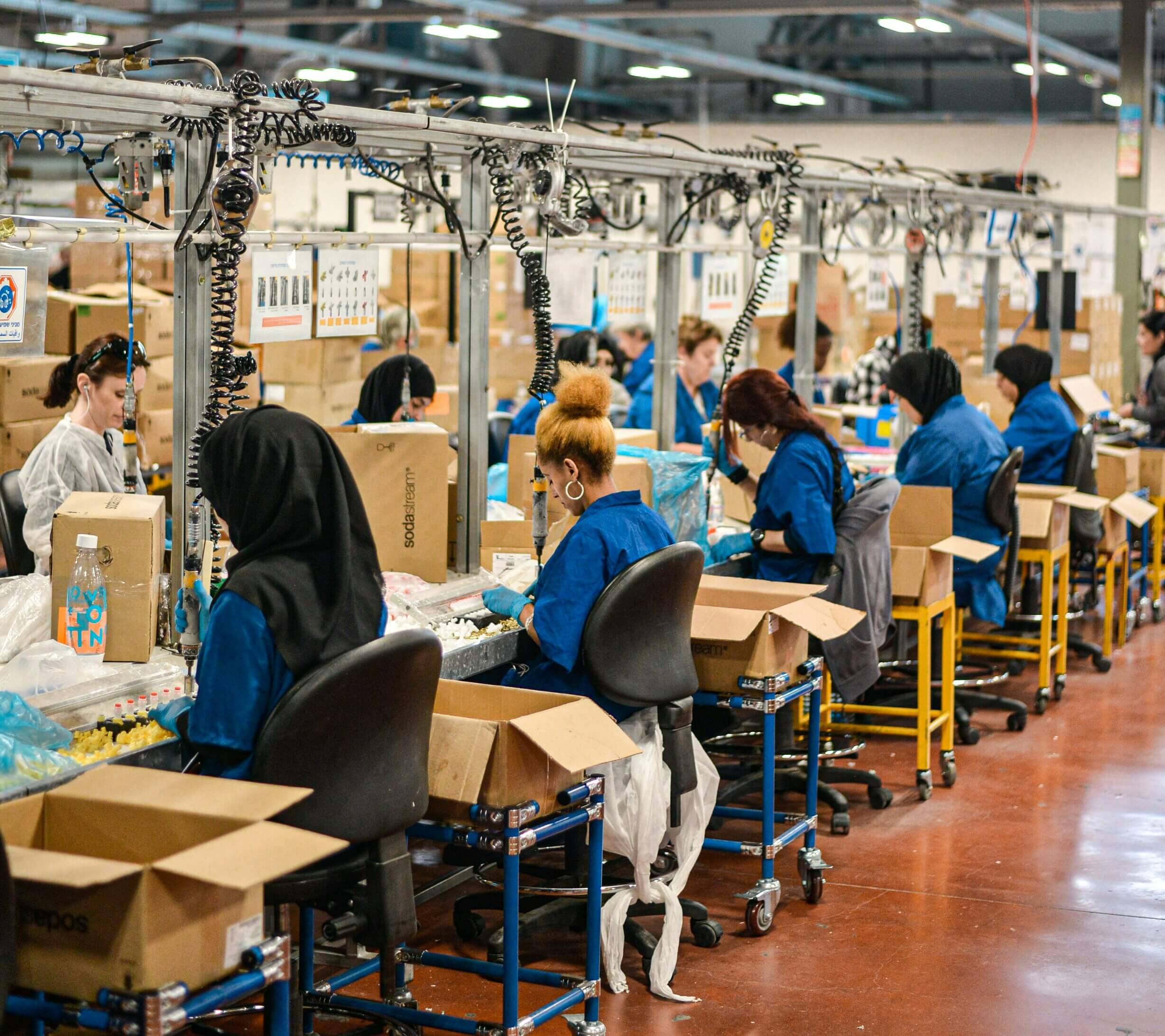
Labour shortages are affecting industries across manufacturing, logistics, agriculture, and food processing. Businesses are finding it increasingly difficult to recruit workers for repetitive or physically demanding roles while production requirements continue to grow.
Many organisations initially treat labour shortages as temporary disruptions. However, broader workforce trends suggest that labour availability may remain constrained for the foreseeable future. As a result, companies are beginning to reconsider how work is structured rather than relying solely on hiring more workers.
Labour Shortages Are Becoming Structural
Several long term trends are contributing to persistent labour shortages. In many countries, ageing populations are reducing the number of workers entering physically demanding industries such as manufacturing, construction, and warehousing. As older workers retire, fewer individuals are available to replace them in operational roles.
At the same time, younger generations increasingly pursue careers in services, technology, and knowledge based sectors. Industrial and manual work often becomes less attractive compared with occupations that offer different working conditions or career paths.
Global labour mobility also plays a role. Changes in immigration policies and increased international competition for skilled workers can restrict the supply of labour available to businesses. Together, these factors create structural constraints that make it difficult for companies to maintain stable staffing levels.
The Operational Impact of Labour Gaps
Labour shortages affect far more than recruitment. When businesses cannot maintain stable staffing levels, production schedules and delivery timelines often become difficult to manage.
High employee turnover can also create ongoing operational disruption. Each time experienced workers leave, companies must recruit and train new employees while maintaining production targets. This repeated cycle reduces efficiency and increases operational pressure.
In labour-intensive environments, inconsistent staffing can limit production output and reduce the ability of businesses to respond to rising market demand.
The Rising Cost of Manual Labour
Competition for a smaller pool of workers often drives wages and incentives higher. While increased compensation may help companies attract workers in the short term, it can significantly raise long term operating costs.
Manual labour also carries additional indirect costs. Businesses frequently face overtime payments, recruitment expenses, training programmes, and workplace safety considerations related to physically demanding tasks.
Over time, depending solely on expanding the workforce becomes increasingly expensive and difficult to sustain.
Automation Changes How Work Is Structured
Automation provides a different approach to addressing labour shortages. Rather than replacing workers entirely, automated systems typically focus on tasks that are repetitive, physically demanding, or difficult to staff consistently.
Robotic systems are well suited for structured activities such as palletising, packaging, sorting, and machine loading. These tasks require consistency, endurance, and accuracy, all of which can be performed effectively by robotic equipment.
When these processes are automated, human workers can shift toward roles that require supervision, problem-solving, equipment maintenance, and quality management. This allows companies to make better use of their existing workforce while reducing pressure on labour-intensive tasks.
Automation Creates Operational Stability
One of the main advantages of automation is operational consistency. Robotic systems operate with predictable cycle times and stable performance, allowing businesses to plan production schedules more accurately.
When critical processes are automated, operations become less vulnerable to staffing shortages, absenteeism, or seasonal labour fluctuations. This stability is particularly valuable for manufacturers and logistics providers that must meet strict delivery deadlines.
Reliable production capacity also improves supply chain coordination and customer satisfaction.
Building Scalable Operations with Automation
Businesses that rely heavily on manual labour often struggle to scale their operations. Increasing production typically requires proportional increases in workforce size, which becomes difficult when labour markets are tight.
Automation allows companies to increase output without relying entirely on additional hiring. Once automated systems are introduced, production capacity can grow through longer operating hours, improved efficiency, or the addition of more robotic units.
Companies such as Zetrix focus on helping businesses introduce robotics into existing operational environments in practical and scalable ways. By automating labour intensive processes such as palletising, packaging, and material handling, businesses can maintain productivity even when labour availability becomes unpredictable.
Zetrix Supports Advanced Robotics For Various Industries
Labour shortages are increasingly becoming a structural challenge rather than a temporary disruption. Businesses that rely solely on expanding their workforce may find it difficult to maintain stable operations as labour markets tighten and recruitment becomes more uncertain.
Zetrix helps organisations address these challenges by implementing robotics solutions designed to automate labour-intensive operational tasks. Robotics systems can handle activities such as palletising, packaging, sorting, and material handling, allowing businesses to maintain consistent production levels even when staffing levels fluctuate.
By integrating robotics into existing operational environments, Zetrix enables companies to reduce dependency on manual labour while improving efficiency and operational stability. These solutions allow organisations to maintain productivity, scale operations more reliably, and adapt to a labour market where workforce availability is no longer guaranteed.
About the Author
Benjamin Richard
Senior Content Writer and Strategist with 10+ years of experience across the SaaS, technology, web3, and manufacturing industries.