The Cost of Not Automating Your Operations
Many organisations rely on manual processes even as operational complexity increases. They often appear manageable during the early stages of growth. Over time, however, these processes introduce hidden operational friction that affects efficiency, accuracy, and scalability.
Automation offers a comprehensive solution to address these challenges. By allowing software systems and machines to handle repetitive tasks, organisations can reduce operational inefficiencies and allow human resources to focus on higher-value activities.
Businesses that delay automation often do not notice the full cost immediately. The effects accumulate gradually across labour expenses, productivity levels, and operational reliability.
What Is Automation At Work?
Automation refers to the use of technology to perform tasks with minimal human intervention. These tasks typically follow predictable rules or structured workflows, which makes them suitable for software systems, robotics, or integrated digital platforms.
Examples of workplace automation include:
- Automated data entry and document processing
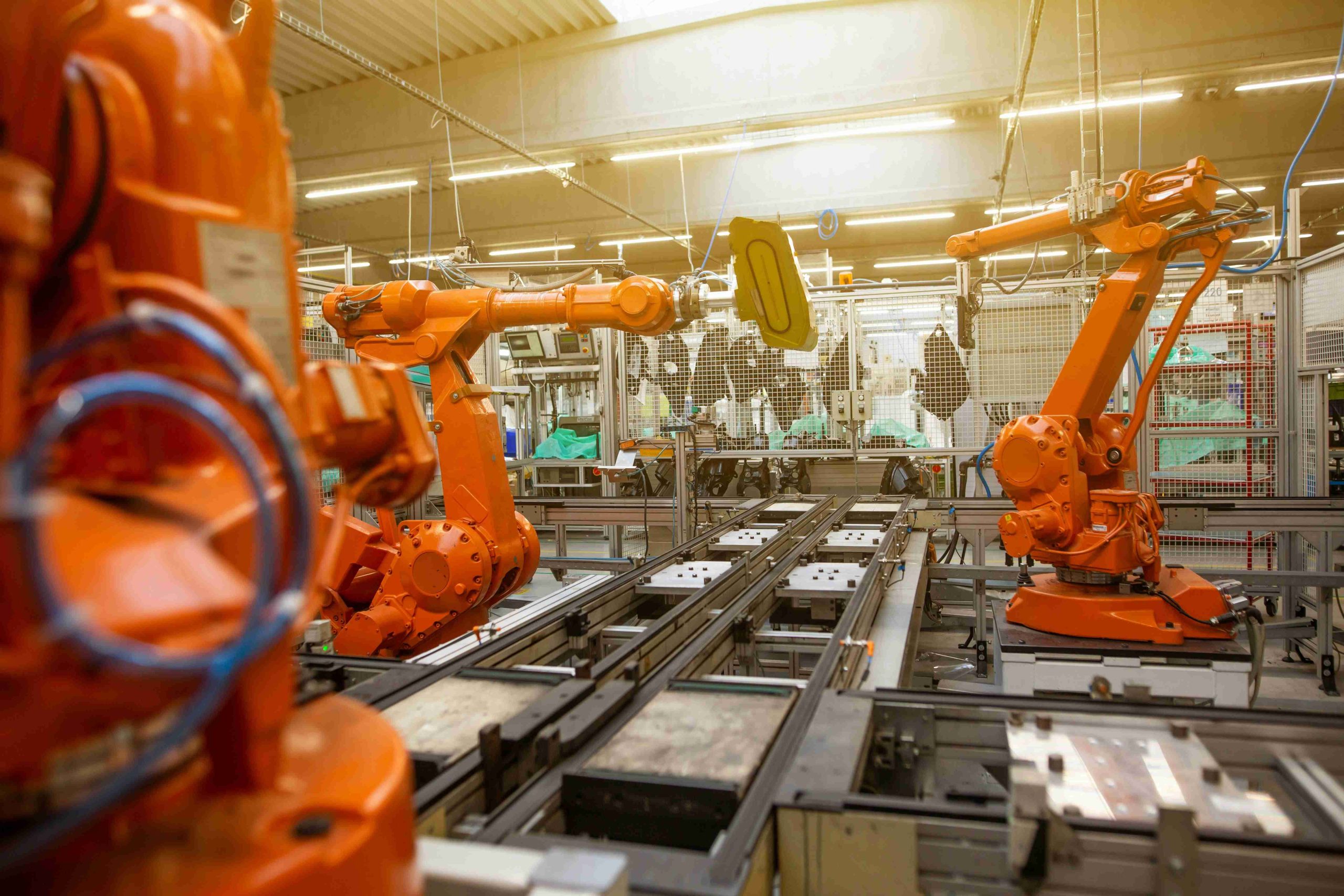
- Robotics in manufacturing and packaging
- Digital approval workflows and reporting systems
- AI-driven analytics and monitoring tools
The goal of automation is not to replace human decision-making. Instead, it removes repetitive operational tasks, so employees can focus on problem-solving, planning, and customer engagement.
When organisations delay automation, they face several issues.
What Are the Costs of Not Automating Your Operations?
1. Higher Labour Costs for Repetitive Work
Manual processes often require employees to spend significant time on routine operational tasks such as updating spreadsheets, processing orders, reconciling records, or managing inventory logs.
Although these tasks are necessary, they rarely contribute directly to strategic growth.
Maintaining a workforce primarily dedicated to repetitive operational work leads to ongoing costs in salaries, benefits, and supervision. As organisations grow, the number of staff required to manage these processes often increases as well.
Automation technologies can perform many of these tasks continuously with minimal supervision. Systems that automatically capture, process, and store data reduce the need for manual handling while allowing employees to focus on higher-value responsibilities such as customer service, operational planning, and quality management.
2. Slower Operational Throughput
Human-dependent workflows introduce natural limitations in speed and consistency. Work pauses during breaks, shift changes, holidays, or periods of staff shortage.
Even well-managed teams cannot match the continuous processing capability of automated systems.
For organisations handling large volumes of transactions, orders, or operational records, manual workflows can quickly become bottlenecks. Delays accumulate as tasks move between departments, approvals require multiple handovers, or information must be manually transferred between systems.
Automation removes many of these delays by allowing tasks to be processed instantly once predefined conditions are met. This allows organisations to maintain predictable throughput and respond more quickly to increases in demand.
3. Increased Risk of Human Error
Repetitive manual work creates conditions where errors are more likely to occur. Data may be entered incorrectly, process steps may be skipped, or records may become inconsistent across different systems.
These mistakes can lead to operational disruptions such as incorrect inventory levels, inaccurate financial reports, or compliance issues.
Automation reduces this risk by enforcing structured rules and consistent workflows. When processes are automated, tasks follow predefined logic every time they are executed. This improves data accuracy and reduces the need for corrective work later in the process.
In regulated industries, automated record-keeping also supports audit trails and compliance monitoring.
4. Limited Scalability
Scaling manual operations usually requires hiring more staff, increasing training programmes, and expanding managerial oversight.
This approach increases operating costs while also introducing coordination challenges across larger teams.
For example, a company that doubles its transaction volume may need to significantly expand its operations team if processes remain manual. This can slow expansion and reduce the financial benefits of growth.
Automation allows organisations to increase operational capacity without proportionally increasing labour requirements. Systems can process larger volumes of transactions or production tasks with relatively small adjustments to infrastructure.
As a result, automation supports growth while maintaining operational efficiency.
5. Operational Inconsistency
Manual processes often vary depending on the individual performing the task. Differences in experience, interpretation, or fatigue can affect how procedures are followed.
These variations can result in inconsistent outcomes across departments or production lines. In industries where quality standards are critical, inconsistent processes may affect product reliability, customer satisfaction, or regulatory compliance.
Automation ensures that processes follow the same instructions each time they are executed. This standardisation improves reliability and supports consistent product or service delivery across the organisation.
6. Reduced Competitive Position
Organisations that delay automation may gradually fall behind competitors that adopt more efficient operational models.
Automated processes allow businesses to operate at lower cost, respond faster to customer demand, and maintain higher levels of operational consistency.
Companies relying on manual operations may struggle to match competitors on delivery speed, pricing, or production capacity. Over time, these disadvantages can affect market position and growth potential.
Automation therefore becomes not only an operational decision but also a strategic one.
7. Hidden Opportunity Costs
One of the least visible costs of manual operations is the opportunity cost created when skilled employees spend their time on routine tasks.
Time spent processing paperwork, updating records, or transferring information between systems reduces the capacity for employees to contribute to innovation, process improvement, or strategic planning.
Automation allows organisations to redirect human resources toward activities that drive long-term value. Employees can focus on developing new products, improving customer relationships, analysing market opportunities, or refining operational strategies.
In this way, automation supports both efficiency and innovation.
Zetrix Supports Your Automation Journey With Robotics
As organisations automate more processes, reliable digital infrastructure becomes increasingly important. Automated systems often rely on secure data exchange, verifiable records, and transparent operational workflows.
Blockchain-based infrastructure can support these requirements by providing tamper-resistant records, secure transaction processing, and interoperable digital services.
Platforms such as Zetrix support digital ecosystems where robotics and artificial intelligence comes together to resolve long.
This type of infrastructure allows organisations to automate workflows while maintaining data integrity and traceability across supply chains, financial systems, and regulatory processes.
About the Author
Benjamin Richard
Senior Content Writer and Strategist with 10+ years of experience across the SaaS, technology, web3, and manufacturing industries.