Cross-Border Trade in Asia: An Overview
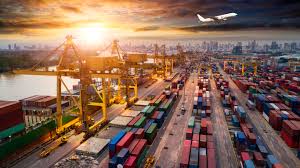
Cross-border trade in Asia has evolved significantly, driven by regional agreements, economic partnerships, and technological advancements.
Here’s a summary:
Regional Agreements: Initiatives such as the Regional Comprehensive Economic Partnership (RCEP) have been pivotal. RCEP includes countries like China, Japan, South Korea, Australia, New Zealand, and the ASEAN nations with a goal to streamline trade rules, reduce tariffs, and facilitate a more integrated market. This agreement has the potential to significantly boost economic growth by making trade more efficient across these nations.
Subregional Efforts: Programs like the South Asia Subregional Economic Cooperation (SASEC) focus on improving connectivity and economic cooperation among countries like Bangladesh, Bhutan, India, and Nepal. These efforts not only enhance trade but also infrastructure development such as road and rail links, which are crucial for seamless cross-border commerce.
Technological and Logistical Advancements: The use of technology in trade facilitation, like paperless trade initiatives by UNESCAP, aims to reduce trade costs and increase efficiency. Alongside with UN/CEFACT for trade facilitation recommendations and electronic business standards, this is particularly important in Asia, where diverse regulatory environments can complicate cross-border activities.
Economic Shifts and Supply Chains: The establishment of new transport routes, like the railway from China to Laos, illustrates how infrastructure development can directly influence trade patterns, enabling countries to export goods more effectively. This also reflects a broader trend where supply chains are becoming more regionally integrated, especially with China playing a central role.
Challenges and Opportunities: While there are significant economic gains, there are also challenges like geopolitical tensions, varying levels of economic development, and the need for harmonisation of trade practices. However, these challenges also push for innovations in trade agreements and practices. With the formation of BRICS, it could potentially address all if not most of the challenges among the countries.
The trade dynamics in Asia, particularly with initiatives like RCEP, are seen as pulling the economic center of gravity towards Asia. This shift not only affects intra-Asian trade but also has implications for global trade patterns, making Asia a critical player in the world economy.