Robotics in Cleaning Operations
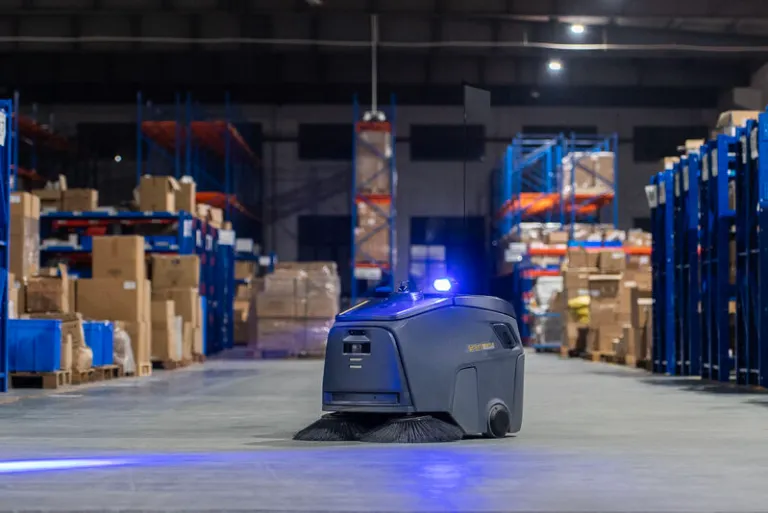
Cleaning operations become more complex as a business scales up its operations and enters into a new, larger environment. These environments bring higher foot traffic, wider coverage areas, and stricter cleanliness expectations. Introducing robotics in cleaning operations allows a business to scale more effectively without introducing added complexity in resource coordination.
What Are Robotics in Cleaning Operations
Robotics in cleaning operations refers to the use of autonomous or semi-autonomous machines to perform routine cleaning tasks. These machines are designed to handle activities such as scrubbing, vacuuming, sweeping, and disinfection in a controlled and repeatable manner.
They operate using a combination of sensors, mapping systems, and navigation technologies. This allows them to move through environments systematically, either by following pre-defined routes or by adjusting in real time based on obstacles and layout changes. Once deployed, they require minimal human intervention and can be scheduled to run at specific intervals, including during off-peak hours.
Advantages of Using Robotics for Cleaning
One of the main advantages of robotics is the improvement in operational consistency. Cleaning robots perform tasks in the same way each time, reducing variation and ensuring that standards are maintained across large areas.
Robotics also reduces the complexity of workforce management. Scheduling, supervision, and coordination efforts are lowered as routine tasks are automated. This allows organisations to operate with leaner teams while maintaining output.
From a cost perspective, robotics shifts cleaning operations towards a more predictable model. Dependence on large cleaning teams is reduced, along with the associated hiring and training costs. Over time, this helps stabilise operational expenses.
Robotics also addresses labour shortages. In environments where it is difficult to recruit or retain cleaning staff, robots help maintain continuity. Operations can continue without disruption, even when workforce availability fluctuates.
Another practical benefit is the ability to operate continuously. Cleaning robots can run outside of working hours or during low-traffic periods, maintaining cleanliness without interrupting daily operations. This reduces reliance on night shifts and improves overall efficiency.
Limitations of Using Robotics for Cleaning
Despite the advantages, robotics requires careful planning and investment. Deployment is not simply a replacement for manual labour but an operational adjustment that must be integrated into existing workflows.
Battery limitations are a key consideration. Cleaning robots require scheduled charging cycles, which can restrict continuous operation unless multiple units are deployed. Over time, battery performance may also decline, affecting efficiency.
The upfront cost can be significant. Investment includes not only the equipment itself but also setup, maintenance, and potential system integration. While financing options can offset this, it remains an important factor in adoption decisions.
Robotics is also not suitable for all environments. Tight or highly complex layouts can limit effectiveness, and certain specialised environments such as cleanrooms or specific manufacturing settings may require manual or highly controlled cleaning methods.
Use Cases of Cleaning Robots
Cleaning robots are most effective in environments where tasks are repetitive, large-scale, and require consistent execution.
In commercial spaces such as shopping malls, offices, and hotels, robots help maintain cleanliness across large floor areas with minimal disruption. These environments benefit from predictable cleaning cycles and consistent presentation standards.
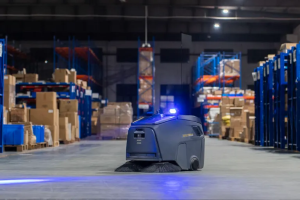
Industrial facilities such as warehouses and factories use cleaning robots to manage dust, debris, and general floor maintenance. This supports both operational efficiency and workplace safety.
Healthcare facilities, including hospitals and clinics, require frequent and reliable cleaning. Robotics can support these requirements by maintaining routine cleaning schedules, although specialised sanitation procedures may still require human involvement.
Public infrastructure such as airports and transport hubs also benefit from robotic cleaning. These are high-traffic environments where continuous cleaning is necessary to maintain hygiene and public perception.
Equip Your Operations With Zetrix’s Cleaning Robots
Zetrix’s cleaning robots are designed for commercial and industrial environments where scale and consistency are critical. They support deployment across multiple locations and integrate into existing operational workflows without significant disruption.
By introducing robotics into cleaning operations, organisations can improve efficiency, reduce reliance on manual labour, and maintain consistent standards. With flexible financing options available, adoption can be aligned with both operational needs and budget considerations.
About the Author
Benjamin Richard
Senior Content Writer and Strategist with 10+ years of experience across the SaaS, technology, web3, and manufacturing industries.