What is Robotics? Everything You Need To Know
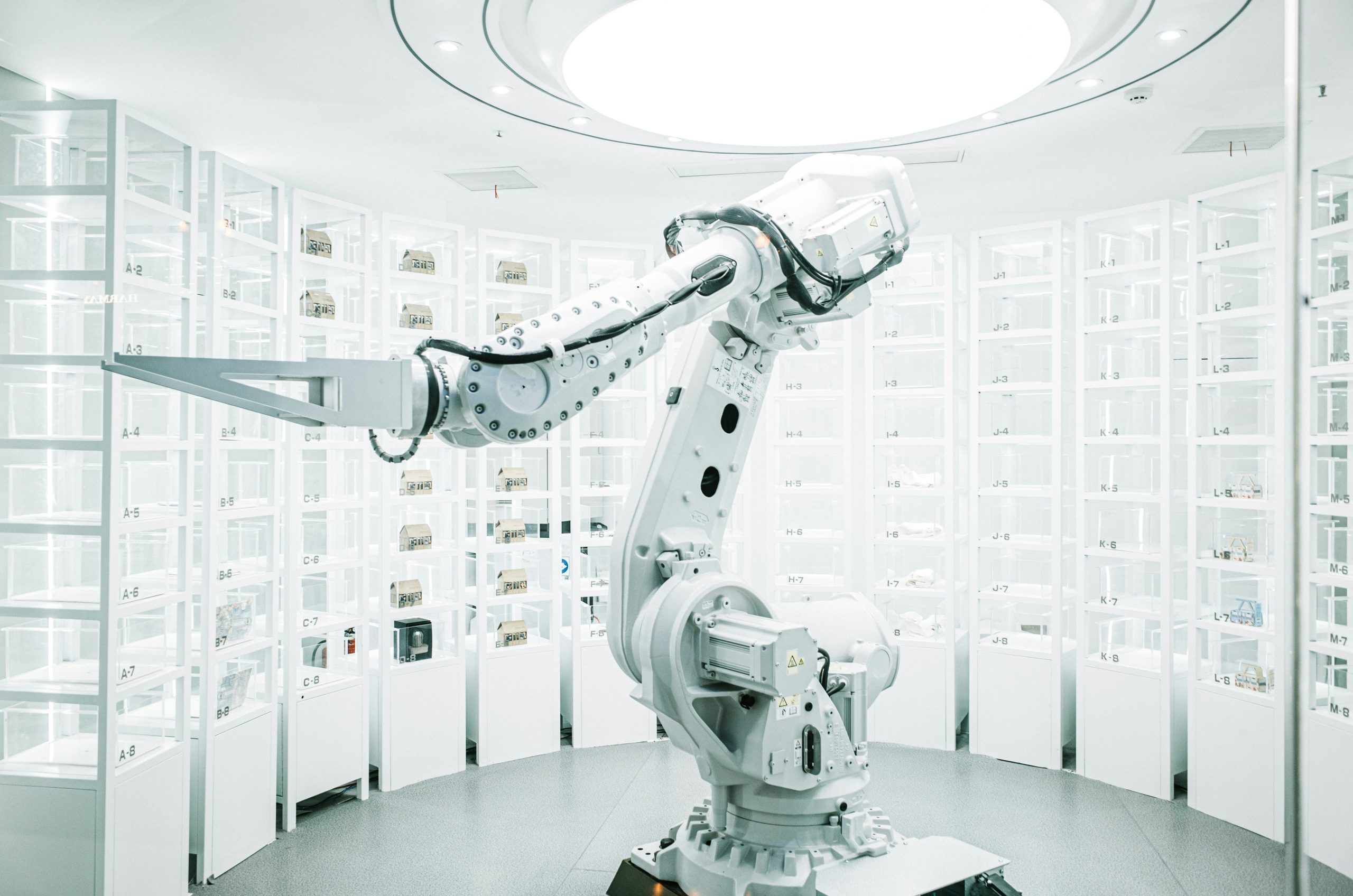
Robotics is the field of technology focused on designing, building, and programming machines that can perform tasks automatically or autonomously. It combines mechanical engineering, electrical systems, computer science, and artificial intelligence to create machines capable of interacting with the physical world.
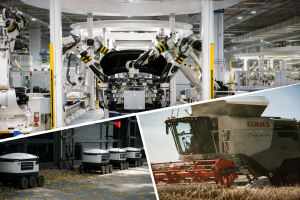
They are present in manufacturing plants, hospitals, warehouses, farms, construction sites, and even homes. The core purpose of robotics is simple: increase productivity, improve precision, and enhance safety across industries.
Core Components of a Robot
Every robot, regardless of its size or purpose, is built around three essential components: mechanical structure, electrical control systems, and software intelligence.
Mechanical Structure
The mechanical structure forms the robot’s physical body. This includes arms, wheels, joints, frames, and grippers. The structure determines how the robot moves and how it interacts with objects in its environment.
For example, robotic arms in factories are designed with multiple joints to replicate human arm movement. Mobile robots use wheels or tracks to navigate spaces. Humanoid robots are designed with limbs and torsos to mimic human motion.
The mechanical design defines the robot’s strength, range of motion, speed, and durability.
Electrical Systems and Control
Robots rely on motors, actuators, and sensors to function. Motors power movement. Actuators convert energy into physical motion. Sensors detect environmental inputs such as light, temperature, distance, pressure, or motion.
Control systems process data from sensors and determine the robot’s response. These systems ensure movements are precise and coordinated. Without electrical and control systems, a robot would be nothing more than a static machine.
Software and Intelligence
Software acts as the brain of the robot. Programming instructions tell the robot how to perform tasks. Advanced systems integrate artificial intelligence, allowing robots to learn from data, adapt to new situations, and make decisions autonomously.
Machine learning algorithms enable robots to improve performance over time. Computer vision allows them to recognise objects. Navigation systems help them move through complex environments.
The combination of hardware and software transforms machines into intelligent systems capable of real-world interaction.
Types of Robots
Robots come in many forms, each designed for specific environments and tasks.
Industrial Robots
Heavy-duty machines built for high-volume production in factories. They prioritise strength, speed, and reliability.
Collaborative Robots (Cobots)
Designed to operate safely alongside humans. Cobots are widely used in small and medium-sized enterprises due to their flexibility and lower cost.
Mobile Robots
Autonomous systems that navigate indoor and outdoor environments. These include warehouse robots and delivery units.
Humanoid Robots
Machines designed to resemble human form and movement. Companies like Boston Dynamics have developed advanced humanoid and legged robots capable of dynamic motion.
Social Robots
AI-powered robots that interact with humans for education, therapy, or companionship.
Micro and Medical Robots
Tiny robotic systems used for diagnostics and minimally invasive procedures, pushing the boundaries of medical technology.
Advantages of Robotics
Robotics offers significant advantages across industries.
Robots perform repetitive tasks with greater accuracy and consistency than humans. They can operate continuously without fatigue, increasing productivity. By handling dangerous tasks, robots improve workplace safety and reduce injury rates.
In addition, robots can work continuously for longer hours without breaks. In a production facility, implementing robots can dramatically increase the output without piling on additional labour costs.
Robots also collect and analyse real-time data, enabling better decision-making and process optimisation. Over time, robotic systems can reduce operational costs and allow human workers to focus on creative, strategic, and high-value activities.
Challenges and Limitations
Despite its benefits, robotics presents several challenges.
High initial investment costs can deter smaller businesses. Integration into existing workflows may require significant restructuring and technical expertise.
Workforce displacement is a legitimate concern. As automation increases, some roles may become obsolete, requiring reskilling and training initiatives. This is inevitable as humans need to work alongside robots.
Cybersecurity risks also grow as robots become more connected. Networked systems can be vulnerable to hacking or data breaches. Affected systems could cost millions to repair, alongside the additional product losses.
Additionally, the production and disposal of robotic hardware contribute to environmental concerns, including electronic waste.
Applications of Robotics
Robotics has expanded into nearly every major industry. Its impact continues to grow as technology becomes more advanced and cost-effective. Here are just a few applications of robots in various industries.
Manufacturing and Industrial Automation
Manufacturing remains one of the most significant applications of robotics. Since the introduction of early industrial robots like Unimate, factories have used robotic systems for assembly, welding, painting, packaging, and inspection.
Modern industrial robots perform repetitive tasks with exceptional speed and precision. Collaborative robots, often called cobots, work safely alongside human workers, increasing productivity without replacing entire workforces.
Automation in manufacturing reduces errors, improves product consistency, and enhances workplace safety.
Warehousing and Logistics
In logistics, robots move goods, sort packages, and manage inventory. Companies like Amazon use fleets of autonomous mobile robots to transport products within warehouses.
These robots optimise space usage, reduce delivery times, and lower operational costs. Autonomous systems are also being used for last-mile delivery, improving efficiency in urban distribution networks.
Healthcare
Healthcare robotics has transformed surgery, patient care, and hospital logistics. Surgical systems such as the da Vinci Surgical System allow surgeons to perform minimally invasive procedures with enhanced precision and control.
Hospitals use robots to transport medications, disinfect rooms, and assist with rehabilitation. Robotics improves patient outcomes while reducing physical strain on medical staff.
Agriculture
Agricultural robots support planting, harvesting, pest control, and crop monitoring. Autonomous tractors and drone systems increase efficiency while reducing manual labour.
Precision agriculture technologies help farmers monitor soil conditions, detect disease early, and optimise water usage. Robotics contributes to higher crop yields and more sustainable farming practices.
Construction and Infrastructure
In construction, robots assist with tasks such as bricklaying, welding, and structural inspections. Robotic inspection systems examine bridges, pipelines, and buildings for safety issues.
These technologies improve accuracy in large-scale infrastructure projects and reduce risks associated with hazardous environments.
Service and Everyday Life
Robots are increasingly part of everyday life. Household robots vacuum floors, mow lawns, and assist with routine tasks. Educational robots support learning in classrooms. Social robots provide companionship and therapy support.
Service robots also help individuals with disabilities by enhancing mobility and independence.
Government Support for Robotics Adoption
To accelerate automation, the Malaysian government offers financial support for robotics and digitalisation projects.
The MADANI Smart Automation Grant, administered by the Malaysian Investment Development Authority, provides matching support of up to RM1 million for eligible automation equipment and embedded software.
The Industry4WRD Intervention Fund supports SMEs implementing Industry 4.0 technologies, with matching grants of up to RM500,000 for qualifying projects.
Companies may also benefit from tax incentives such as Automation Capital Allowance or Pioneer Status, which reduce taxable income on qualifying capital investments.
These programmes significantly improve the return on investment for robotics adoption.
Conclusion
Robotics combines mechanical engineering, electrical systems, and intelligent software to create machines capable of performing tasks faster, safer, and more efficiently.
From factory floors to hospitals and homes, robots are transforming industries and reshaping how humans work and live. Understanding robotics is essential for individuals and businesses preparing for an increasingly automated and intelligent world.
As technology continues to evolve, robotics will remain at the centre of innovation, productivity, and global economic growth.
If you want to implement robotics in your operations, Zetrix has a range of robots covering multiple industries.
About the Author
Benjamin Richard
Senior Content Writer and Strategist with 10+ years of experience across the SaaS, technology, web3, and manufacturing industries.