When Is the Right Time to Consider Robotics?
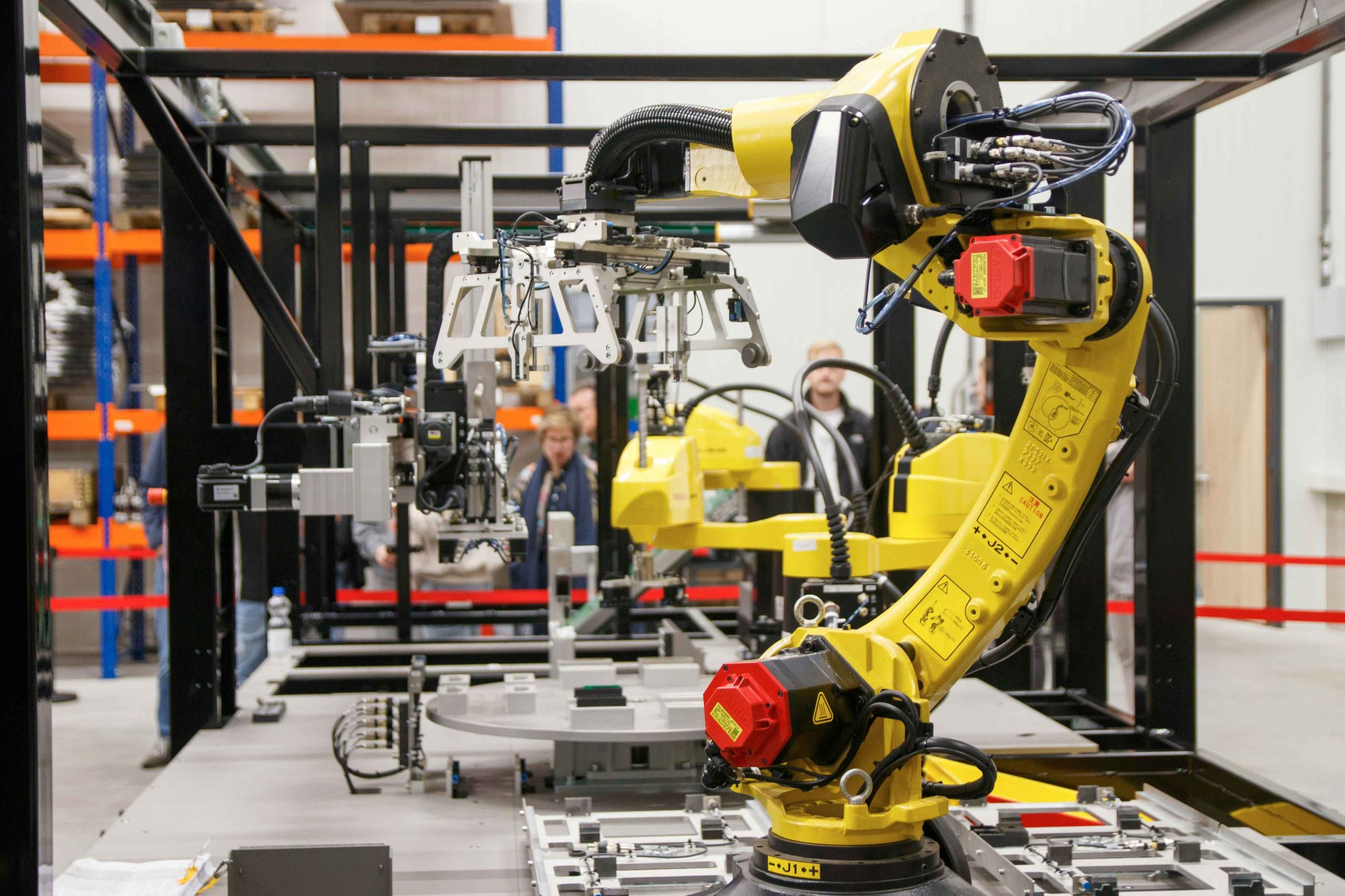
Robotics adoption is best approached as a response to tangible business pressure rather than a pursuit of technology for its own sake. Organisations should evaluate robotics when operational bottlenecks, rising costs, and scalability constraints begin to affect performance. The central consideration is whether the current operating model is showing signs of strain as the business grows in volume or complexity.
Operational Signals That Indicate Readiness
Strain in Day-to-Day Operations
A common early indicator is the increasing fragility of daily operations. Processes that once functioned smoothly begin to rely on manual intervention to sustain output. Teams may introduce temporary workarounds that gradually become permanent, signalling deeper inefficiencies.
Production delays may occur even when demand remains stable, suggesting that internal processes are no longer keeping pace. Overtime becomes a routine requirement rather than an exception, increasing costs while placing additional pressure on workers. At the same time, repetitive tasks begin to consume a disproportionate share of labour hours, limiting the ability of employees to focus on higher-value activities.
Labour-Driven Constraints
Labour challenges often accelerate the need for robotics. Organisations may struggle to recruit or retain workers for roles that are repetitive, physically demanding, or hazardous. These positions tend to experience higher turnover, resulting in continuous training cycles that reduce overall productivity.
Rising labour costs without corresponding gains in output create further pressure on margins. In some environments, safety concerns become a critical factor, particularly where tasks involve physical strain or exposure to risk. In many industries, labour shortages are no longer temporary disruptions but persistent structural issues, making reliance on manual labour increasingly unsustainable.
Throughput and Capacity Limitations
Capacity constraints provide another clear signal. Production lines operating consistently near their limits have little room to absorb fluctuations in demand. Scaling output often requires adding headcount, which introduces additional cost and complexity.
Bottlenecks tend to form around specific repetitive processes, slowing down the entire workflow. Longer cycle times reduce responsiveness to market changes, while missed deadlines can lead to lost revenue opportunities. In such cases, robotics offers a way to expand capacity without proportionally increasing labour.
Quality, Consistency, and Cost Pressures
Declining Consistency at Scale
As production volume increases, maintaining consistent quality becomes more difficult. Defect rates may rise, particularly when output depends heavily on individual worker skill or experience. Variability across shifts or locations can lead to inconsistent results, undermining standardisation efforts.
The financial impact of inconsistency is often seen in higher rework rates, material waste, and product returns. Customer complaints may increase, reflecting a decline in reliability. These issues indicate that manual processes are reaching their limits in delivering uniform outcomes at scale.
Cost Structure Becoming Unstable
Cost instability is another strong indicator. Labour may begin to account for a growing proportion of operating expenses, placing pressure on margins even when revenue remains stable or increases. Hidden costs, including inefficiencies, errors, and downtime, accumulate over time and are often underestimated.
Manual processes also introduce variability that makes cost forecasting more difficult. In contrast, robotics typically involves higher upfront investment but offers more predictable long-term operating costs. This shift in cost structure can become favourable once operational inefficiencies reach a certain threshold.
Process Readiness and Timing Considerations
Robotics delivers the most value when processes are already structured and optimised. Tasks should be clearly defined, repeatable, and measurable. Environments with rule-based workflows and limited variability are particularly well suited for automation.
Access to reliable operational data is important for identifying suitable use cases and measuring performance improvements. Robotics should be introduced in a way that complements existing workflows rather than requiring a complete redesign. When these conditions are met, adoption can proceed in a controlled and efficient manner.
When Robotics May Not Yet Be Appropriate
There are scenarios where robotics may not be the right immediate step. Highly variable, low-volume production environments may not justify the investment. Processes that lack standardisation or documentation are difficult to automate effectively.
Frequent product changes can require constant system reconfiguration, reducing the efficiency gains from robotics. Organisations without the internal capability to manage or maintain automated systems may also face challenges. In some cases, existing inefficiencies should be addressed first before introducing automation.
Risks of Delaying Adoption
Delaying robotics adoption carries strategic risks. Competitors that invest in automation can achieve greater efficiency, lower costs, and improved consistency, creating a widening performance gap. As operational complexity increases, systems become more fragile and harder to manage.
The ability to scale into new markets or respond to demand spikes may be reduced. Over time, accumulated inefficiencies can make future transitions more costly and disruptive. As automation becomes standard across industries, late adopters may find themselves at a structural disadvantage.
Transitioning from Consideration to Action
Moving from evaluation to implementation requires a structured approach. Organisations should begin by identifying high-impact processes that are repetitive and measurable. Piloting robotics in a controlled environment allows for testing and refinement before broader deployment.
Performance should be assessed based on improvements in throughput, consistency, and cost efficiency. Robotics initiatives should align with overall operational strategy rather than being treated as isolated projects. Workforce preparation is also essential, including reskilling employees and redefining roles to complement automated systems.
Zetrix and the Broader Robotics Ecosystem
Zetrix AI Berhad operates within a broader digital infrastructure that includes artificial intelligence, blockchain, and automation systems. Rather than focusing solely on robotics deployment, it supports integration across multiple layers of technology.
This includes AI-driven analytics for operational optimisation, secure digital identity systems for verification, and infrastructure that supports cross-border compliance and data exchange. Its involvement in the ASEAN-China AI Lab reflects a focus on developing robotics within a wider ecosystem of intelligent and interconnected systems.
Such an approach is relevant for applications in smart cities, industrial automation, and regulated sectors where trust, data integrity, and interoperability are essential. Robotics is positioned as one component within a larger, coordinated digital framework.
Closing Perspective
The decision to adopt robotics is ultimately driven by operational pressure and structural constraints. Clear signals within daily operations, labour dynamics, and cost structures provide a reliable basis for timing. Early and measured adoption allows organisations to address these challenges in a controlled manner, while delays tend to increase both implementation complexity and long-term cost.
About the Author
Benjamin Richard
Senior Content Writer and Strategist with 10+ years of experience across the SaaS, technology, web3, and manufacturing industries.